The Psychology of Plastic Surgery Addiction: Why Some People Can’t Stop Altering Their Appearance
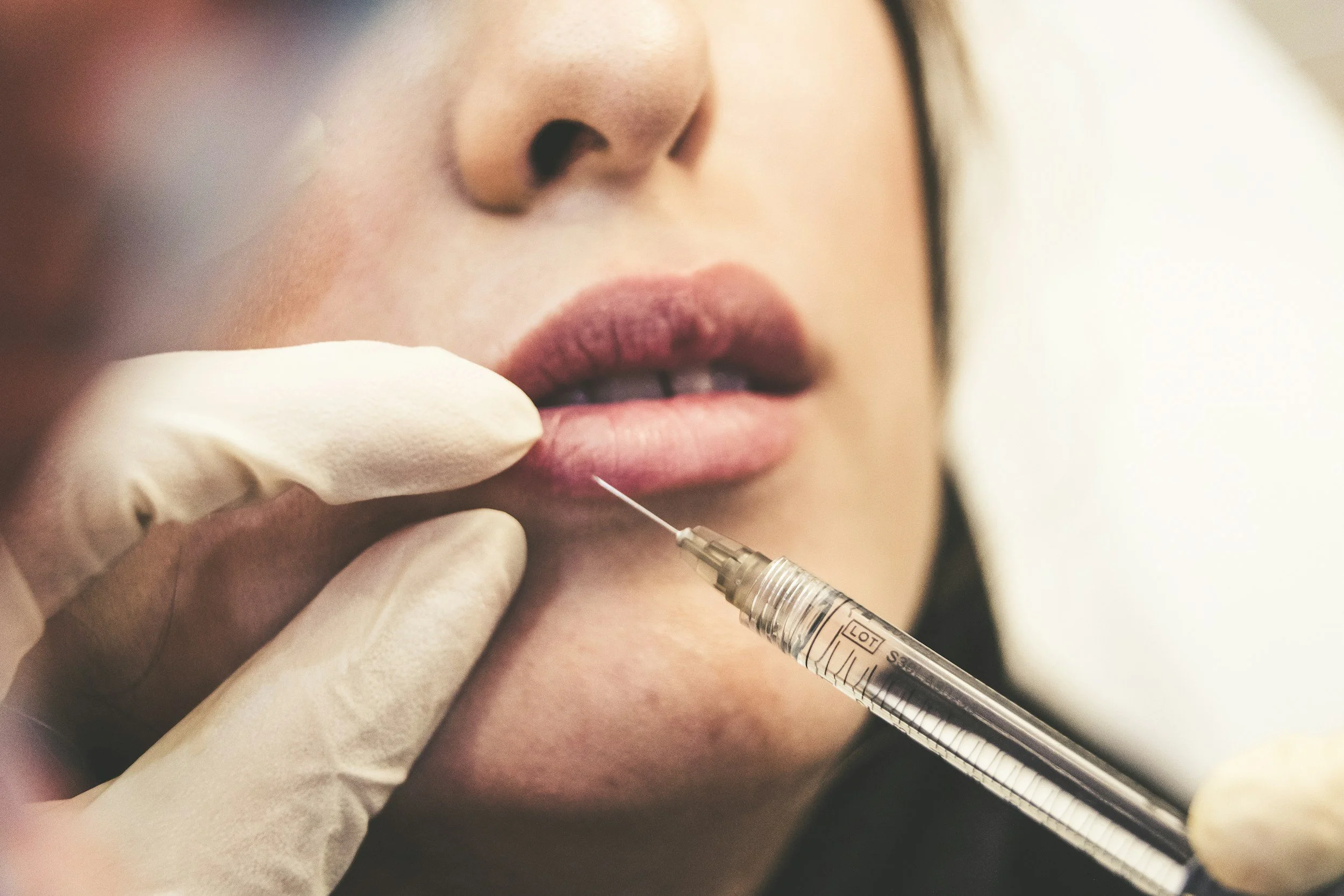
Plastic surgery has become increasingly normalized in modern society. Social media, celebrity culture, and advancements in medical technology have made cosmetic procedures more visible and accessible than ever before. While many people undergo plastic surgery once, or not at all, some individuals pursue repeated cosmetic procedures, even when the results cause distress rather than satisfaction.
This pattern is often referred to as plastic surgery addiction, a term used to describe a compulsive desire to change one’s appearance through ongoing cosmetic procedures. While not a formal medical diagnosis, the concept is deeply rooted in psychology and raises important questions about body image, identity, and mental health.
This article explores the psychology behind plastic surgery addiction, including its causes, warning signs, and the emotional factors that drive it.
What Is Plastic Surgery Addiction?
Plastic surgery addiction refers to a cycle of repeated cosmetic procedures driven by emotional discomfort, distorted self-image, or psychological distress rather than medical necessity.
People experiencing this pattern often:
Feel temporary relief or excitement after a procedure
Quickly become dissatisfied with the results
Fixate on new “flaws”
Seek additional surgeries to regain a sense of control or confidence
Rather than improving self-esteem long term, repeated procedures can intensify insecurity.
Plastic Surgery vs. Problematic Behavior
It’s important to make a clear distinction:
Choosing cosmetic surgery does not automatically mean addiction
Most people who undergo plastic surgery do not develop compulsive behavior
The concern arises when surgery becomes:
A primary coping mechanism for emotional distress
A repeated solution to deeper psychological pain
Something pursued despite negative consequences
The issue is not surgery itself, but why and how often it is being used.
The Role of Body Image and Self-Perception
At the core of plastic surgery addiction is often body image dissatisfaction.
Body image is not about how someone objectively looks, it’s about how they perceive themselves. Some individuals experience a constant sense that something is “wrong” with their appearance, even when others don’t see the issue.
This distorted self-perception can make cosmetic changes feel urgent and necessary, rather than optional.
Body Dysmorphic Disorder (BDD) and Cosmetic Surgery
One of the most significant psychological factors linked to plastic surgery addiction is Body Dysmorphic Disorder (BDD).
BDD is a mental health condition involving:
Intense preoccupation with perceived physical flaws
Repetitive checking, comparing, or seeking reassurance
Significant emotional distress related to appearance
For individuals with BDD:
Surgery rarely brings lasting relief
Fixing one feature often leads to obsession with another
Dissatisfaction persists regardless of surgical outcomes
Many mental health professionals emphasize that surgery does not treat BDD, and repeated procedures may worsen symptoms.
The Dopamine Effect: Why Surgery Can Feel Rewarding
Cosmetic procedures can trigger dopamine, the brain’s “reward” chemical.
Before surgery, people may feel:
Anticipation
Hope
A sense of control
After surgery, there may be:
Relief
Excitement
Increased attention or validation
However, dopamine-driven satisfaction is often short-lived. Once it fades, the desire to repeat the experience can return, creating a cycle similar to other compulsive behaviors.
Emotional Regulation and Coping Mechanisms
For some individuals, plastic surgery becomes a way to manage emotions such as:
Anxiety
Shame
Loneliness
Low self-worth
Instead of addressing these feelings directly, changing the body feels like a tangible solution. Over time, surgery may become the primary method of coping, especially if deeper emotional issues remain unaddressed.
The Influence of Social Media and Comparison Culture
Social media plays a powerful role in shaping appearance-related beliefs.
Platforms that emphasize:
Filters
Edited images
Idealized beauty standards
can distort perceptions of what is normal or achievable.
Constant comparison can lead people to believe:
Everyone else looks better
Their appearance determines their value
Cosmetic enhancement is necessary to “keep up”
For vulnerable individuals, this environment can fuel compulsive cosmetic behaviors.
Perfectionism and Control
Many people who struggle with repeated cosmetic procedures also exhibit perfectionistic tendencies.
Perfectionism often involves:
Unrealistic standards
Harsh self-criticism
Fear of being “not enough”
Surgery may feel like a way to achieve control over perceived imperfections. But perfection is unattainable, and the goalposts keep moving, leading to repeated interventions without lasting satisfaction.
Trauma and Identity
In some cases, unresolved trauma plays a role in plastic surgery addiction.
Trauma can disrupt:
Self-identity
Body ownership
Sense of safety
Altering the body may feel like:
Reclaiming control
Creating a new identity
Distancing oneself from past experiences
While these motivations are understandable, surgery alone cannot resolve trauma-related pain.
Warning Signs of Plastic Surgery Addiction
Some common red flags include:
Frequent cosmetic procedures with little recovery time
Persistent dissatisfaction after surgery
Obsession with minor or imagined flaws
Emotional distress tied closely to appearance
Ignoring medical advice to delay or stop procedures
Recognizing these signs early can help prevent long-term physical and psychological harm.
The Psychological Consequences of Repeated Surgery
Over time, compulsive cosmetic procedures can lead to:
Increased anxiety or depression
Worsening body image
Identity confusion
Financial and relational stress
Ironically, the pursuit of confidence through surgery can result in greater emotional instability.
Why Reassurance Doesn’t Work
Friends or family may try to help by saying:
“You look fine”
“You don’t need surgery”
While well-intentioned, reassurance often fails because the issue is internal, not visual. When self-worth is tied to appearance, external validation provides only temporary relief.
Healthier Alternatives to Repeated Surgery
Addressing the psychology behind plastic surgery addiction often involves:
Therapy focused on body image
Learning emotional regulation skills
Building self-worth beyond appearance
Reducing comparison behaviors
Mental health support can help individuals understand why they feel compelled to change their appearance and develop healthier coping strategies.
The Importance of Ethical Medical Practice
Responsible cosmetic professionals:
Screen for psychological risk factors
Decline procedures when harm is likely
Encourage mental health evaluation when appropriate
Ethical boundaries protect patients, especially those vulnerable to compulsive behavior.
Final Thoughts: Healing Goes Deeper Than the Surface
Plastic surgery addiction is not about vanity; it’s about psychological pain seeking relief. Understanding the emotional drivers behind repeated cosmetic procedures allows for empathy, not judgment.
Lasting confidence does not come from endlessly modifying the body. It comes from addressing the beliefs, emotions, and experiences that shape how a person sees themselves.
Awareness, education, and mental health support are essential in shifting the conversation from appearance to well-being.